

When procuring office chairs, many organizations encounter a common reality: within just one or two years of use, chairs begin to exhibit issues such as squeaking, sinking, loose armrests, or even structural damage. Frequent repairs not only drive up maintenance costs but also directly compromise the employee experience and office productivity. So, does this stem from substandard product quality, or is it a result of flawed selection?
The answer is rarely attributable to a single factor; rather, it is typically the cumulative result of both.
I. The Core Conclusion Up Front: 80% of Issues Stem from "Mismatched Selection"
Many companies fall into a common trap when purchasing office chairs: they focus exclusively on price or aesthetics while overlooking the actual usage scenarios. This oversight leads directly to the chairs being "overloaded" once put into service, naturally driving up the frequency of repairs.
Common selection pitfalls include:
· Choosing consumer-grade chairs for high-intensity usage environments.
· In settings such as general offices, customer service centers, or design firms, where daily usage can span 8 to 12 hours, the structural durability requirements for chairs are far more rigorous than those for standard home use.
· Failing to account for weight capacity requirements despite significant variations in user body weight.
· Standard office chairs typically have a weight capacity of 100–120 kg; however, certain corporate environments necessitate designs capable of withstanding much heavier loads.
· Ignoring environmental factors (temperature, humidity, or direct exposure to air conditioning drafts).
· Factors such as the degradation of mesh fabric or the impact of temperature fluctuations on gas lift cylinders can significantly accelerate wear and tear.
→The conclusion is straightforward: Choosing the wrong chair is a far more critical error—and ultimately more costly—than simply buying a chair that is too expensive or too cheap.
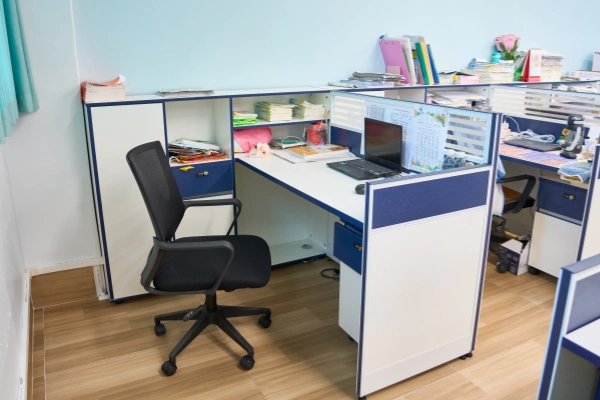
II. Quality Issues Do Exist, But They Typically Center on Critical Structural Components
If the selection of office chairs was appropriate for the intended use, yet frequent repairs persist, then the focus of the investigation must shift to the inherent quality of the product itself. The parts of an office chair most prone to failure are primarily concentrated in the following core structural components:
· Gas Lift (Height Adjustment System)
Substandard gas lifts are prone to sinking, sticking, or even posing safety hazards.
Certification against international standards serves as a critical indicator of quality.
· Base Mechanism (Tilt/Recline System)
Determines the chair's overall stability and service life.
Low-quality mechanisms are prone to developing squeaks or becoming loose.
· Base Legs and Casters
Nylon legs vs. aluminum alloy legs: there is a distinct difference in durability.
Casters vary in their suitability for different floor surfaces (e.g., carpet vs. tile).
· Upholstery and Padding
Low-quality foam padding is prone to collapsing.
If the mesh fabric lacks sufficient tension, it will begin to sag within six months.
→If the quality of these components is compromised, repairs are almost inevitable.