

In high-intensity workshop environments, ESD chairs must not only meet anti-static requirements but also withstand high-frequency use and harsh industrial conditions. Metal structure ESD chairs, with their unique structural advantages, are becoming the preferred anti-static work chairs for electronic workshops, SMT workshops, and final assembly workshops.
I. Superior Durability from a Metal Frame
Metal structure ESD chairs use high-strength steel or aluminum alloy for the support frame, fundamentally ensuring long-term durability and stability. High-quality anti-static work chairs can support seats weighing over 150kg and backrests with a tensile strength of 70-110kg. Some products use a one-piece steel structure, resulting in a robust and durable overall structure with a long service life; the aluminum alloy legs are rust-resistant, have strong load-bearing capacity, and can stably support heavy loads.
II. Stable Static Electricity Discharge Channel
Anti-static performance is the core function of an ESD chair. The metal structure is not only the load-bearing frame but also a key component of the static electricity discharge channel. Anti-static chairs effectively release static electricity from the human body to the ground through the combination of ESD seat cushions, backrests, and metal fittings. The seat inserts, metal supports, and conductive casters of the anti-static work chair form a complete static discharge path, and the system resistance must meet the technical specifications of 1×10⁵-1×10⁹Ω in the SJ/T 10694-2006 standard.
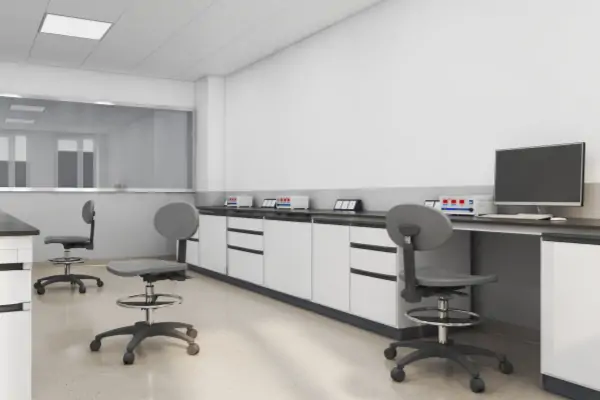
III. Stability for High-Intensity Work
High-intensity workshops often require seats to move frequently or withstand significant lateral forces. The integrated steel structure or aluminum alloy frame of the metal-structured ESD chair provides a stable chassis support. Metal components undergo rust-proof treatments such as chrome plating and powder coating, making them resistant to rust and maintaining good condition even in humid or chemical-containing workshop environments. Some anti-static height-adjustable chairs are equipped with SGS-certified explosion-proof gas springs, having passed 100,000 lifting and rotation safety tests, ensuring safer use.
IV. Balancing Ergonomics and Comfort Standards
Workers in high-intensity workshops need to work in a seated position for extended periods; comfort directly impacts work efficiency. Metal-structure ESD chairs, while ensuring sturdiness and durability, also emphasize ergonomic design—seat height, backrest angle, and armrest height are all adjustable. The seat cushion and backrest are made of high-density foam material, covered with anti-static leather or fabric, offering excellent wear resistance and comfort.
V. Key Points for Purchasing Anti-static Work Chairs
When purchasing metal-structure ESD chairs, three key indicators should be considered: ① Surface resistance test value should fall within the range of 10⁶-10⁹Ω; ② The gas spring should provide an SGS lifting fatigue test certificate of ≥50,000 cycles; ③ The grounding resistance of the chair leg's electrostatic discharge chain should be ≤10Ω. It is recommended to request the supplier to provide a third-party testing report (CNAS mark) for the same batch.
Summary
The core reason why metal-structure ESD chairs are more suitable for high-intensity workshops lies in the superior durability of their metal frame, stable electrostatic discharge performance, robust load-bearing capacity, and ergonomic design. They are not only anti-static tools but also key equipment for ensuring workshop production efficiency and worker comfort. When selecting anti-static chairs, the technical standards of metal-structure ESD chairs deserve special attention.