

In modern electronics manufacturing and precision assembly industries, electrostatic discharge (ESD) is a hidden killer. Once it occurs, it can damage electronic components, render products unusable, and even affect the stability of the entire production line. Controlling ESD harm from the source is crucial for companies to reduce losses and improve quality. A qualified ESD chair is a vital component of this protective system.
1. Why is an ESD chair indispensable?
•Direct Protection for Operators:** Operators frequently move and sit during electronic production. Without anti-static measures, their bodies may become charged and release static electricity, damaging sensitive components. A qualified ESD chair uses conductive materials and a grounding design to effectively release static electricity to the ground, controlling ESD risks at their source.
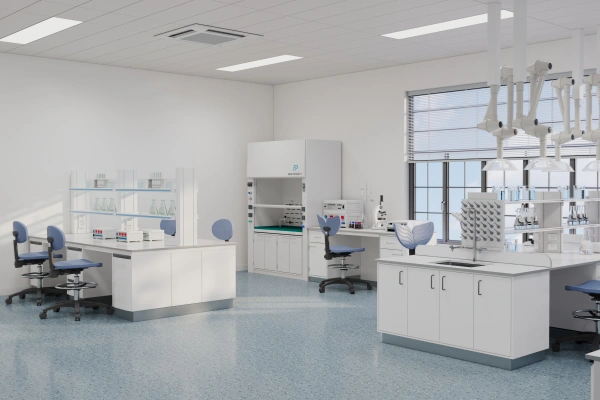
•Improved Production Line Reliability:** Used in conjunction with an ESD workbench, an ESD chair ensures comprehensive ESD protection for the operating environment. Reducing ESD incidents not only protects products but also lowers rework rates and repair costs, which is especially important for electronics factories.
• Meets Industry Safety Standards
High-quality ESD chairs are certified to international or domestic standards, such as ANSI/ESD S20.20 and IEC 61340, ensuring stable antistatic performance during long-term use. Purchasing compliant ESD chairs is an investment in production safety and quality.
2. How to Choose a Qualified ESD Chair?
• Material Selection: High-quality ESD chairs use conductive PU leather or special antistatic fabrics to ensure surface resistance meets requirements.
• Grounding Design: The chair base and casters must have good grounding functionality to ensure smooth static discharge.
• Comfort and Durability: Reduces fatigue during prolonged sitting and features a stable support structure suitable for high-frequency production environments.
• Applicable Scenarios: Choose height-adjustable and swivel-flexible ESD chairs based on workstation requirements, compatible with ESD workbenches and assembly lines.